

bpc-157 benefits
Introduction: A Peptide That’s Rewriting the Rules of Recovery
Imagine a substance so profoundly healing that it can mend a severed tendon in days instead of weeks, protect your stomach from corrosive damage, and even accelerate the healing of brain tissue. It sounds like science fiction, a panacea from a futuristic novel. Yet, this compound exists not in the realm of fantasy, but in the cutting-edge world of regenerative medicine. Its name is BPC-157, and it stands for Body Protecting Compound-157.
Over the last decade, BPC-157 has evolved from an obscure research peptide into a whispered-about secret among elite athletes, biohackers, and those struggling with chronic, treatment-resistant injuries. The online forums are flooded with transformative “before and after” stories tales of resurrected careers, vanquished chronic pain, and renewed hope. But what is the science behind the spectacle? How does one navigate its use responsibly? And what can you truly expect from a BPC-157 journey?
This comprehensive guide isn’t just another blog post; it’s a deep dive into the full authority of the BPC-157 landscape. We will dissect the molecular magic, scrutinize the research, listen to the human stories, and provide a sober, detailed roadmap for anyone considering this remarkable compound. Buckle up; we’re about to explore the frontier of healing.
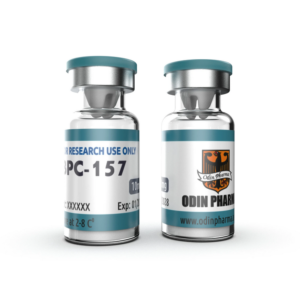
Chapter 1: What Exactly are BPC-157 benefits? The Molecular Miracle Worker 🧬
Before we explore the “before and after,” we must understand the “what.”
The Origins: From Gut to Global
BPC-157 is a synthetic peptide, a chain of 15 amino acids, that is derived from a protein found in human gastric juice. Yes, your stomach naturally produces a tiny amount of the parent compound. This origin story is key—it’s why BPC-157 first showcased its profound healing powers on the gastrointestinal tract. It’s not a foreign, alien chemical; it’s a stabilized, optimized version of something your body already knows.
The Mechanism: How Does It Work?
BPC-157 doesn’t work like a typical drug that blocks a single receptor. Instead, it’s a master modulator and facilitator of the healing process. Think of it as a master conductor for your body’s repair orchestra. Its mechanisms are pleiotropic (having multiple effects), including:
Angiogenesis Promotion: It stimulates the formation of new blood vessels (angiogenesis), ensuring critical nutrient and oxygen delivery to injured sites. 🩸
Growth Factor Upregulation: It increases the expression of key growth factors like VEGF (Vascular Endothelial Growth Factor) and FGF (Fibroblast Growth Factor), which are the molecular signals screaming “HEAL HERE!”
Tendon & Ligament Regeneration: It specifically promotes the outgrowth of tendon cells (tenocytes) and the formation of type I collagen, the bedrock of connective tissue.
Anti-Inflammatory Action: It modulates the inflammatory response, not by shutting it down completely (inflammation is a necessary first healing stage), but by ensuring it is efficient and resolves properly. 🧯
Protection & Repair of the Gut Lining: It dramatically increases the resilience of the stomach and intestinal lining, preventing and healing ulcers, and may help restore gut barrier integrity (“leaky gut”).
Neurological Protection: It exhibits a remarkable ability to protect and repair neurons, aid in neurotransmitter balance (particularly serotonin and dopamine systems), and facilitate healing after nerve injury and even spinal cord damage. 🧠
Systemic Healing: Perhaps most astonishingly, its effects are systemic. Injected locally into a hurt ankle, it can also accelerate the healing of a distant, unrelated liver injury. This points to complex, body-wide signaling pathways.
Chapter 2: The “Before” State – Recognizing the Need 🚨
Who turns to BPC-157? The “before” picture is often one of frustration, pain, and stalled progress.
The Chronic Injury Prisoner
This individual has a nagging tendinopathy (tennis elbow, Achilles tendonitis, rotator cuff tear) or a ligament sprain that has persisted for months or years. They’ve tried RICE (Rest, Ice, Compression, Elevation), physiotherapy, cortisone shots (which can weaken tissue long-term), and maybe even PRP (Platelet-Rich Plasma) injections all with minimal or temporary relief. Their life and athletic pursuits are on hold. Their “before” is defined by a constant, dull ache and the fear of re-injury with every movement.
The Gut Health Sufferer
Here, the battle is internal. Chronic acid reflux (GERD), inflammatory bowel disease (IBD) flares, “leaky gut” symptoms, or medication-induced gastritis have eroded their quality of life. They are trapped in a cycle of dietary restriction, pain, and digestive distress. Standard medications like PPIs (Proton Pump Inhibitors) may mask symptoms but don’t address healing, and come with their own long-term risks.
The Post-Surgical Patient
Facing a long, grueling recovery from ACL reconstruction, rotator cuff repair, or hernia surgery, this person dreads the months of immobilization and weakness. They want to optimize their body’s innate healing to get back to normal life faster and with stronger, more complete tissue repair.
The Neuro-Centric Individual
This may include those with symptoms of brain fog, anxiety/depression linked to inflammation, or recovering from minor traumatic brain injury (concussion). They feel their cognitive and emotional software is glitching, and conventional approaches haven’t addressed the underlying hardware (cellular) damage.
The Biohacking Enthusiast
Proactively seeking to enhance resilience, recover faster from intense training, and protect their organs from the wear and tear of life and aging. Their “before” isn’t acute crisis, but a quest for optimized human performance and longevity.
The Common Thread: In all cases, the “before” state involves a breakdown of the body’s normal healing processes. The repair cycle is stuck, incomplete, or overwhelmed. This is where BPC-157 enters the frame.
Chapter 3: The Administration Crossroads: Oral vs. Injectable 💉🆚💊
Your “before and after” journey is profoundly influenced by your administration route.
Subcutaneous (Sub-Q) or Intramuscular (IM) Injection
The Gold Standard for Musculoskeletal Injuries: For localized injuries (tendons, ligaments, muscles), local injection near the injury site is considered most effective. It creates a high-concentration “reservoir” right where it’s needed.
Systemic Protocols: For gut healing, neurological benefits, or full-body recovery, a systemic approach via subcutaneous injection in belly fat is common.
Pros: Direct delivery, higher bioavailability, precise dosing, the go-to method in research.
Cons: Requires comfort with self-injection (using tiny insulin syringes), sourcing sterile bacteriostatic water for reconstitution, and impeccable hygiene to avoid infection.
Oral Administration (Capsules or Liquid)
The Prime Choice for Gut Health: Given its gastric origin, oral BPC-157 is exceptionally effective for healing the GI tract from the esophagus to the colon. It acts directly on the mucosal lining.
Systemic Effects via Gut: Surprisingly, oral administration still shows systemic effects, likely due to healing the gut (a major regulator of systemic inflammation) and entering circulation.
Pros: Non-invasive, easy, ideal for GI issues.
Cons: May be partially degraded by stomach acid (though stable forms exist), generally considered less potent for distant musculoskeletal issues than direct injection.
The Verdict: Choose your weapon based on your target. For a blown-out knee, inject. For a leaky gut, take it orally. Some protocols even combine both for a full-spectrum assault.
Chapter 4: Documented “Before and After” Scenarios – The Evidence 📊
Let’s move from theory to tangible outcomes, categorized by condition.
1. Tendons & Ligaments: The Ultimate Test
Before: A 35-year-old climber with chronic lateral epicondylitis (tennis elbow). Pain with gripping a coffee mug, failed physical therapy, 18 months of disability.
Protocol: 250-300mcg injected subcutaneously near the elbow tendon daily for 30 days.
After (4-6 Weeks): Pain reduced by 70-80% by week 2. By week 4, able to resume light climbing. At 8-week follow-up, tendon feels “thicker” and more resilient. MRI (in studies) shows improved tendon fiber organization and reduced thickening. The healing of a chronic issue in weeks, not years.
2. The Gut: From Fire to Function
Before: A person with NSAID-induced gastritis and duodenal ulcers from chronic pain management. Burning pain, inability to eat many foods, reliant on high-dose antacids.
Protocol: 250-500mcg oral BPC-157 daily upon waking (on empty stomach) for 4-6 weeks.
After: Subjective pain reduction within days. By week 3, reintroducing foods without issue. Endoscopy (in clinical models) shows rapid ulcer healing, surpassing standard anti-ulcer medications. The gut lining isn’t just soothed; it’s actively reconstructed.
3. Post-Surgical Recovery: Beating the Timeline
Before: Patient 1 week post-ACL reconstruction surgery. Severe swelling, pain, limited range of motion (ROM), facing months of rehab.
Protocol: 250mcg injected subcutaneously near the knee (away from incision) daily, starting a few days post-op, for 30-40 days.
After: Noticeably reduced swelling and bruising by the end of week 1. Achieves ROM milestones (full extension, 90-degree flexion) 30-50% faster. Reports less pain, enabling more effective physical therapy. The graft may incorporate and ligamentize more robustly. bpc-157 benefits
4. Neurological & Cognitive Effects: The Mind-Body Link
Before: Individual with persistent post-concussion syndrome (brain fog, headaches, light sensitivity) 6 months after injury.
Protocol: 250-300mcg subcutaneous injection daily (systemic) for 60 days.
After: Gradual but marked improvement in cognitive clarity and reduction of headaches over 4-8 weeks. Animal studies provide a mechanism: BPC-157 promotes axon regeneration and repair of the blood-brain barrier, facilitating true neurological recovery, not just symptom management.
Chapter 5: The Timeline of Transformation – What to Expect Week-by-Week 📅 bpc-157 benefits
Patience is key. BPC-157 is not an analgesic; it’s a repair agent.
Week 1-2 (The Initial Shift): Many report a noticeable decrease in inflammatory pain and swelling. The constant “background ache” of a chronic injury may begin to fade. For gut issues, a rapid reduction in discomfort and bloating is common. This is the “spark” of hope. ✨
Week 3-4 (The Foundation of Healing): This is where functional improvement kicks in. Increased range of motion, ability to load the injured tissue with light resistance, and a tangible sense of the tissue “coming back.” Gut healing feels more established.
Week 5-8 (Strengthening & Consolidation): The repaired tissue begins to strengthen and regain resilience. This is the phase where you can cautiously return to activity, guided by pain (not pushing through sharp pain). The healing shifts from cellular to structural.
The Long-Term “After”: The ultimate goal is not just pain relief, but restored function and resilience. A successfully healed tendon should withstand the stresses of normal life and training. A healed gut should tolerate a varied diet. The “after” is a return to a life not dictated by limitation.
Chapter 6: Stacking & Synergy: Maximizing the “After” with Companions 🤝
BPC-157 is powerful solo, but its effects can be amplified and supported with other compounds.
For Connective Tissue: Stack with Vitamin C (essential for collagen synthesis) and Gelatin/Collagen Peptides (providing raw building blocks). TB-500 (Thymosin Beta-4) is another peptide often stacked with BPC-157 for synergistic healing of muscles and tendons.
For Gut Health: Pair with L-Glutamine (fuel for enterocytes), Zinc Carnosine, and a quality probiotic. Healing the gut is a multi-front effort.
For Systemic Inflammation & Recovery: Combine with a solid foundation: Omega-3 fatty acids, good sleep hygiene, and stress management. BPC-157 works with your lifestyle, not as a replacement for it.
Chapter 7: The Caveats & Crucibles – Safety, Side Effects, and the Unknown ⚠️
No authority guide is complete without stern warnings and acknowledgment of the gray areas.
Reported Side Effects (Rare & Usually Mild)
Mental “Blunting” or Lethargy: A small subset of users report a temporary dulling of emotions or motivation. This may relate to its serotonin/dopamine modulation and typically subsides after cessation.
Temporary Nausea (Oral): Especially at higher doses on an empty stomach.
Increased Thirst: Anecdotal reports suggest it may affect fluid balance.
Tolerance/Receptor Downregulation: There is a theoretical risk that long-term, continuous use could lead to diminished effects. This is why cycling (e.g., 4-8 weeks on, 4 weeks off) is a common and prudent recommendation.
The Giant, Glaring Unknowns
Human Clinical Trials: The vast majority of data is from animal models (rats) and anecdotal human reports. Robust, large-scale human clinical trials are scarce. We are extrapolating, albeit from very promising and consistent pre-clinical data.
Long-Term Safety Profile: What does BPC-157 use look like over 5, 10, or 20 years? We simply don’t know. It is a research chemical, and using it is an act of calculated, personal risk assessment.
Cancer Risk: Its pro-angiogenic and growth-factor-stimulating properties raise a theoretical concern about potentially fueling pre-existing cancers. This is the most serious caution. It is strongly contraindicated for anyone with a history of or active cancer.
Quality & Purity Crisis: The market is unregulated. Third-party testing (COA) from a reputable, U.S.-based lab is non-negotiable. You must be a vigilant consumer.
Chapter 8: The Philosophical “After”: Beyond the Physical 🧘♂️ bpc-157 benefits
The most profound “before and after” stories often touch on something deeper than tissue repair.
Agency Regained: For many, the experience shifts them from a passive patient, reliant on the medical system, to an active participant in their own healing. They learn about their biology, their limits, and their capacity for recovery.
The Mindset Shift: Overcoming a chronic issue breaks a psychological cycle of hopelessness. It proves that improvement is possible, fostering a more resilient and proactive mindset toward future health challenges.
A New Relationship with Pain: Pain often becomes a teacher rather than a jailer. The process of careful rehabilitation alongside BPC-157 use requires listening to one’s body with new nuance.
Conclusion: Is BPC-157 Your “Before and After” Story? The Final Verdict ⚖️
BPC-157 is not a magic bullet. It is a potent, novel, and still-experimental healing modulator that represents one of the most exciting developments in regenerative medicine. The “before and after” narratives are powerful because they are often real, reflecting its genuine, sometimes miraculous, capacity to restart stalled biological processes. bpc-157 benefits
Should you try it? The answer is deeply personal and must be informed.
If you are struggling with a chronic, treatment-resistant soft-tissue injury, a debilitating gut condition, or are facing a daunting surgical recovery, and you have exhausted conventional options, BPC-157 presents a compelling case for careful, researched experimentation.
If you are looking for a casual performance boost, have minor aches, or are unwilling to thoroughly research sourcing, protocols, and risks, then BPC-157 is not for you. The stakes, both financial and potential health-wise, are too high. bpc-157 benefits
The Path Forward: If you choose to proceed, do so as a scientist of your own body.
Research Relentlessly. Understand the mechanisms.
Source Intelligently. Demand independent lab certificates of analysis.
Start Low & Go Slow. Begin with a minimum effective dose.
Document Meticulously. Keep a journal of symptoms, doses, and changes.
Consult a Professional. If possible, find a forward-thinking, peptide-literate medical practitioner to guide you.
The landscape of healing is changing. BPC-157 sits at its volatile, promising frontier. Your “before” may be defined by pain and frustration, but with knowledge, caution, and respect for this powerful compound, your “after” could be a chapter of renewal and restored potential. bpc-157 benefits
Disclaimer: This article is for informational and educational purposes only. It is not medical advice. BPC-157 is a research chemical not approved by the FDA for the diagnosis, cure, mitigation, treatment, or prevention of any disease. Consult with a licensed healthcare professional before starting any new peptide, supplement, or treatment protocol. The author and publisher are not responsible for any actions taken based on the information contained herein.