Introduction: The Molecular Revolution in Bodybuilding 🧬
In the relentless pursuit of peak physical performance, bodybuilders both new and veteran are constantly exploring the cutting edge of supplementation and therapy. Standing prominently at this frontier in 2026 are peptides. Once a topic confined to scientific journals and elite athletic circles, peptides have surged into the mainstream fitness conversation. But what exactly are they, and why are they causing such a stir in gyms worldwide?
This comprehensive guide will demystify peptides, focusing on their practical applications in bodybuilding. We’ll move beyond the hype to deliver a science-backed, experience-driven manual covering everything from your first injection to advanced cycling protocols. Whether you’re a curious newcomer or a seasoned veteran looking to optimize, consider this your definitive resource.
What Are Peptides? Understanding the Building Blocks
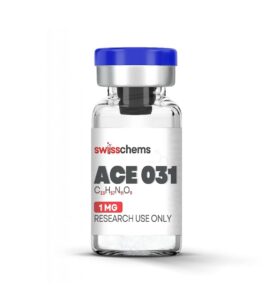
At its core, a peptide is a short chain of amino acids, the fundamental building blocks of proteins. Think of proteins as long, complex novels; peptides are the potent, powerful sentences within them. These molecules are naturally occurring in every cell of your body and act as signaling agents, instructing cells and organs to perform specific functions.
In the context of bodybuilding and performance enhancement, we’re typically discussing bioactive peptides or synthetic peptide hormones. These are laboratory-created sequences designed to mimic or enhance the body’s natural peptides, allowing us to harness their effects with precision.
Key Peptide Categories for Bodybuilders:
-
Growth Hormone Secretagogues (GHS): Stimulate your pituitary gland to produce more of your own natural growth hormone (GH). Examples: GHRP-2, GHRP-6, Ipamorelin, Tesamorelin.
-
Growth Hormone Releasing Hormones (GHRH): Work synergistically with GHS to amplify GH pulse. Example: CJC-1295 (with and without DAC).
-
Healing and Recovery Peptides: Target tissue repair, joint health, and injury recovery. Examples: BPC-157, TB-500.
-
Fat Loss and Metabolic Peptides: Aid in stubborn fat mobilization and improve metabolic function. Examples: AOD-9604, MOTS-C.
-
Selective Androgen Receptor Modulators (SARMs) & Others: While technically not all peptides, they are often grouped in the same discussion. Examples: MK-677 (Ibutamoren – a GH secretagogue), various SARMs.
What Are Peptides Used For By Bodybuilders? From Newbies to Veterans 💪
The application of peptides varies significantly between a first-time user and a seasoned pro. The goals shift from foundational enhancement to precision optimization.
For the New Bodybuilder: Building a Solid Foundation
A newcomer’s primary goals are often building initial muscle mass, accelerating recovery to train more consistently, and learning how their body responds to enhancement.
-
Accelerated Recovery & Injury Resilience: New lifters are prone to soreness and minor injuries. Peptides like BPC-157 and TB-500 can be game-changers, reducing downtime and allowing for more frequent, quality training.
-
Improved Sleep & Natural GH Boost: Peptides like Ipamorelin and CJC-1295 (no DAC) can enhance deep sleep and naturally elevate growth hormone levels. This leads to better recovery, slightly improved fat metabolism, and a more anabolic environment without the major commitment of exogenous GH.
-
Stubborn Fat Reduction: For those struggling with last-layer fat, peptides like AOD-9604 can provide a targeted adjunct to diet and cardio.
Newbie Protocol Example (Months 1-3):
-
A.M. Dose: Ipamorelin 100mcg + CJC-1295 (no DAC) 100mcg
-
P.M. Dose (before bed): Ipamorelin 100mcg + CJC-1295 (no DAC) 100mcg
-
Note: This protocol is typically run 5 days on, 2 days off to prevent desensitization.
For the Veteran Bodybuilder: Pushing the Genetic Ceiling
Veterans use peptides for nuanced, synergistic effects to complement other compounds and break through advanced plateaus.
-
Synergy with Anabolic Compounds: Peptides are stacked with anabolic-androgenic steroids (AAS) or SARMs. The increased GH/IGF-1 output from peptides like GHRP-2 or Mod GRF 1-29 creates a powerful anabolic synergy, promoting hyperplasia (the creation of new muscle cells) alongside the hypertrophy from AAS.
-
Enhanced Nutrient Partitioning: Veterans use peptides to improve the body’s ability to direct calories toward muscle growth and away from fat storage. Tesamorelin is noted for this.
-
Precision Injury Management: During heavy prep, veterans might use BPC-157 prophylactically on weak joints (like shoulders or elbows) to withstand extreme training loads.
-
Gut Health and Nutrient Absorption: Oral BPC-157 is used by some to improve gut integrity, crucial when consuming massive amounts of food during a bulk.
Veteran Stack Example (Pre-Contest):
-
Fat Loss & Hardness: Tesamorelin (2mg) + AOD-9604 (300mcg) daily.
-
Recovery & Injury Prevention: BPC-157 (250mcg) injected locally into a tender joint, daily.
-
GH Pulse Support: Ipamorelin (200mcg) post-workout and before bed.
How Effective Are Peptides? Separating Science from Hype 🔬
The effectiveness of peptides is not a simple “yes” or “no.” It’s dose, compound, consistency, and expectation-dependent.
-
Compared to Natural Training: For a natural athlete, a well-structured peptide protocol can provide a significant edge—perhaps a 15-30% improvement in recovery speed, sleep quality, and fat loss efficiency. Muscle gains are typically modest and slow, not dramatic.
-
Compared to Exogenous Growth Hormone: Peptide secretagogues (which stimulate your own GH) are generally less potent than injectable GH itself. However, they are often more affordable and provide a more physiological, pulse-based release pattern, which some believe has a better side-effect profile.
-
The “Synergy Multiplier”: Peptides truly shine in synergy. The effectiveness skyrockets when they are part of a holistic protocol that includes a dialed-in diet, periodized training, and proper rest. They are a powerful tool, not a magic wand.
Clinical Evidence: Studies on peptides like BPC-157 show remarkable healing in animal models for tendons and ligaments. Tesamorelin is FDA-approved for reducing visceral fat in HIV patients. While large-scale studies on healthy athletes are limited, the clinical data and overwhelming anecdotal evidence from the bodybuilding community are compelling.
How Do You Take Peptides? A Step-by-Step Administration Guide 💉
Most bioactive peptides are administered via subcutaneous (SubQ) injection. This sounds intimidating but becomes routine quickly.
1. Supplies You’ll Need:
-
Peptide vials (lyophilized powder)
-
Bacteriostatic Water
-
Insulin syringes (0.5cc or 1cc, 29-31 gauge)
-
Alcohol swabs
-
Sharps container
2. Reconstitution Process:
-
Wipe the vial tops of both peptide and bacteriostatic water with alcohol.
-
Draw 1-3mL of bacteriostatic water into a syringe.
-
Gently inject the water down the side of the peptide vial—DO NOT shake. Roll gently between palms to mix.
-
The peptide is now reconstituted and must be refrigerated (2-8°C). Most are stable for 2-4 weeks once mixed.
3. Injection Protocol:
-
Site: Pinch a fold of skin on the abdomen, thigh, or glute.
-
Process: Clean the area with an alcohol swab. Insert the needle at a 45-90 degree angle into the fat layer and depress the plunger.
-
Timing: Doses are often split (morning and pre-bed), typically on an empty stomach or 2+ hours after eating. Post-workout is another strategic window.
4. Oral & Nasal Peptides: Some peptides like MOTS-C or certain forms of BPC-157 are available orally. Nasal sprays exist but have questionable bioavailability for most peptides.
Cycling, Dosages, and the Crucial Role of Coaching 📊
Why Cycle? To prevent receptor desensitization (especially with GHRPs) and give your body a break.
Typical Cycling Protocol:
-
Growth Hormone Secretagogues (Ipamorelin, GHRP-6): 5 days on, 2 days off, OR 8-12 weeks on, 4-8 weeks off.
-
Healing Peptides (BPC-157, TB-500): Can be run continuously until injury is healed (e.g., 4-8 weeks).
-
GHRH like CJC-1295 with DAC: Has a long half-life and is typically injected 1-2x per week, often for longer cycles (2-6 months).
Sample Beginner 12-Week Cycle with Diet & Training Synergy:
| Week | Peptide Protocol | Diet Focus | Training Focus |
|---|---|---|---|
| 1-4 | Ipamorelin (100mcg 2x/day) + CJC-1295 no DAC (100mcg 2x/day) 5 on/2 off | Caloric maintenance, high protein (1.2g/lb) | Hypertrophy (8-12 reps), mastering form |
| 5-8 | Add BPC-157 (250mcg daily for shoulder health) | Caloric surplus (+300 cal), prioritize carbs around training | Increased volume, add strength work (5-8 reps) |
| 9-12 | Increase Ipamorelin to 150mcg 2x/day | Recomp: slight deficit (-200 cal), keep protein high | Maintain strength, add metabolic conditioning |
The Non-Negotiable Value of Coaching: 🧠
Self-administering peptides is a serious undertaking. A knowledgeable coach provides:
-
Protocol Design: Tailoring stacks to your goals.
-
Bloodwork Analysis: Monitoring markers like IGF-1, glucose, and lipids.
-
Side Effect Management: Helping you navigate any adverse reactions.
-
Holistic Integration: Ensuring your training and diet support the peptide use, not counteract it.
A Drafted 8-Week Peptide-Enhanced Workout Program 🏋️♂️
This program assumes intermediate training knowledge and is designed to synergize with a GHRP/GHRH peptide stack.
Guiding Principle: Peptides improve recovery, so we can increase frequency and volume strategically.
Split: Upper/Lower, 4-5 days per week.
-
Day 1: Upper Body (Strength Focus)
-
Bench Press: 4 x 5
-
Bent-Over Row: 4 x 6
-
Overhead Press: 3 x 8
-
Pull-Ups: 3 x AMRAP
-
Tricep Extension / Bicep Curl: 3 x 10-12 (superset)
-
-
Day 2: Lower Body (Strength Focus)
-
Squat: 4 x 5
-
Romanian Deadlift: 4 x 8
-
Leg Press: 3 x 10
-
Leg Curls: 3 x 12
-
Calf Raises: 4 x 15
-
-
Day 3: Active Recovery / Cardio
-
Light walking, mobility work, or cardio of choice (30-45 min).
-
-
Day 4: Upper Body (Hypertrophy Focus)
-
Incline DB Press: 4 x 10
-
Seated Cable Row: 4 x 10
-
Lat Pulldown: 3 x 12
-
DB Lateral Raises: 4 x 12
-
Face Pulls / Pushdowns: 3 x 15 (superset)
-
-
Day 5: Lower Body (Hypertrophy Focus)
-
Front Squat: 3 x 8
-
Bulgarian Split Squats: 3 x 10/leg
-
Hack Squat: 3 x 12
-
Lying Leg Curl: 4 x 12
-
Seated Calf Raise: 4 x 20
-
-
Day 6 & 7: Rest or Light Activity.
Progression: Increase weight when you hit the top of the rep range with good form for all sets.
Peptides for Weight Loss: The Science of Fat Mobilization 🏃♀️
While peptides are not a substitute for a calorie deficit, they can powerfully augment fat loss by:
-
Increasing Lipolysis: Directly stimulating fat cells to break down stored triglycerides. AOD-9604 is structured similarly to the fat-burning region of human GH.
-
Improving Insulin Sensitivity: Peptides like MOTS-C help shuttle glucose into muscles for energy rather than storing it as fat.
-
Targeting Visceral Fat: Tesamorelin has a strong reputation for reducing dangerous belly fat.
-
Preserving Muscle in a Deficit: The elevated GH/IGF-1 environment helps signal the body to burn fat, not muscle.
Effective Fat Loss Stack:
-
Morning (Fast Cardio): AOD-9604 (300mcg)
-
Post-Workout: Ipamorelin (200mcg) + CJC-1295 no DAC (100mcg)
-
Support: Maintain high protein intake and a consistent caloric deficit of 300-500 calories.
How Much Do Peptides Cost? Breaking Down the Investment 💰
Pricing varies by compound, purity, and source. As of 2026, expect ranges for a 1-month supply:
-
Singles (e.g., Ipamorelin or CJC-1295): $50 – $150
-
Healing Peptides (BPC-157/TB-500): $70 – $200
-
Advanced Peptides (Tesamorelin): $200 – $400+
-
“Stack” Packs (e.g., Ipamorelin/CJC combo): $120 – $300
Hidden Costs:
-
Bacteriostatic Water & Syringes: ~$30 for a multi-month supply.
-
Bloodwork: Essential. A basic panel can cost $150-$300.
-
Coaching: $100-$500/month.
-
High-Quality Food: Your diet must support the protocol.
Value vs. Cost: Compared to pharmaceutical GH (which can cost $1000+ per month), peptides offer a more accessible entry point. The investment is significant but justifiable for serious athletes.
How Can I Get Peptides? Navigating the Sourcing Maze 🧭
1. Prescription Pathways:
-
Anti-Aging & Wellness Clinics: The most legitimate route in many countries. Requires a consultation and often bloodwork. You get medical oversight but pay a premium.
-
Compounding Pharmacies: With a prescription, peptides can be filled at specialized pharmacies, ensuring high purity.
2. Research Chemical Companies:
-
This is the most common route for bodybuilders. These companies sell peptides “for research purposes only, not for human consumption.“
-
CRITICAL: You must perform extreme due diligence. Look for:
-
Third-party lab testing (HPLC/MS reports) for purity and volume.
-
Transparent customer reviews on independent forums.
-
Long-standing reputation in the community.
-
3. The Underground Lab (UGL) Market:
-
Similar to the AAS market. Higher risk of contamination, under-dosing, or mislabeling. Not recommended for peptides due to their fragile nature.
Outbound Link to Trusted Source: Examine.com – Peptides Guide
Outbound Link to Trusted Source: PubMed Central – BPC-157 Research
What Are the Side Effects of Peptides? A Safety-First Approach ⚠️
Peptides are generally considered to have a better safety profile than many performance-enhancing drugs, but they are not without potential side effects.
Common & Generally Mild:
-
Increased Hunger: Particularly with GHRP-6. Can be a pro for bulking, a con for cutting.
-
Flushing/Headache: A temporary warm, red feeling after injection, common with CJC-1295.
-
Water Retention: Mild peripheral edema, especially with higher doses.
-
Lethargy: Can occur as GH/IGF-1 levels adjust.
-
Numbness/Tingling (Carpal Tunnel): Due to rapid fluid retention in connective tissues.
-
Site Reactions: Mild itching or redness at the injection point.
Rare & More Serious (Require Discontinuation):
-
Prolonged Elevated Blood Glucose: GH can cause insulin resistance. Monitoring fasting glucose is crucial.
-
Increased Aromatization: Elevated GH/IGF-1 can slightly increase estrogen conversion in some individuals.
-
Acromegaly Symptoms: Only a risk with extremely high, prolonged dosing (thickening of bones, organ enlargement). This is highly unlikely with standard peptide protocols.
-
Antibody Formation: Your body could develop antibodies to synthetic peptides, potentially making them less effective over time.
Mitigation Strategy: Start with the lowest effective dose. Get baseline bloodwork (fasting glucose, IGF-1, lipids, CBC) and follow-up tests every 8-12 weeks. Maintain a clean diet low in refined sugars to manage insulin sensitivity.
Conclusion: Are Peptides the Right Tool for Your Arsenal? ✅
Peptides represent a sophisticated, middle-ground technology in bodybuilding. They offer a level of control over your physiology that was once reserved for the elite, with a risk profile that many consider manageable with proper education.
For the new bodybuilder, they offer a relatively gentle introduction to enhancement, focusing on recovery and foundational improvement. For the veteran, they provide a powerful synergistic tool to push past genetic limits and manage the wear and tear of the sport.
The final verdict? Peptides are highly effective when used correctly, within a holistic program. They demand respect, research, and often professional guidance. They are not a shortcut, but rather a force multiplier for the three pillars of success: consistent training, meticulous nutrition, and intelligent recovery.
If you approach them with this mindset, peptides can be a transformative component of your bodybuilding journey in 2026 and beyond.
Disclaimer: This article is for informational purposes only. It does not constitute medical advice. The use of peptides for performance enhancement may not be legal in your country and should only be undertaken under the supervision of a qualified medical professional. Consult with a healthcare provider before starting any new supplement or therapeutic regimen.